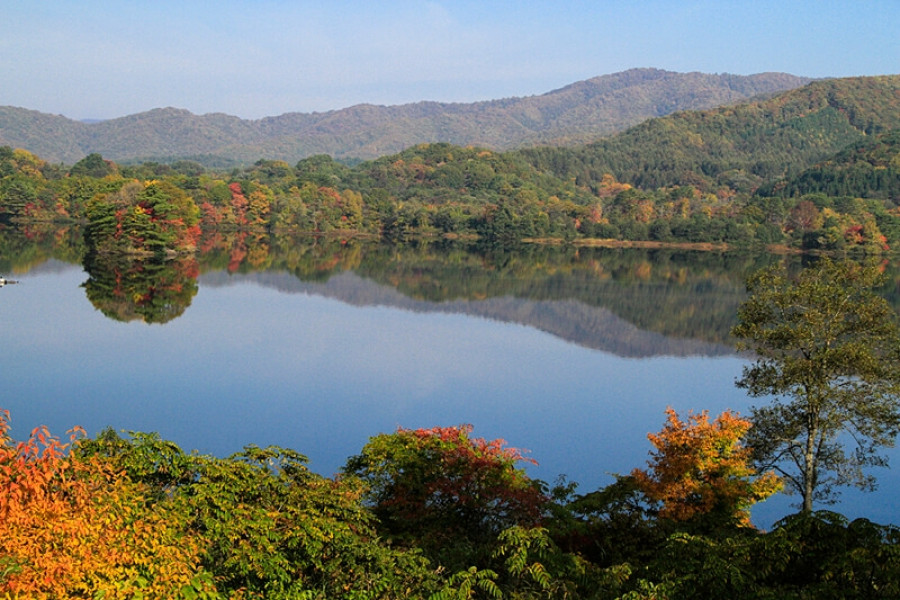


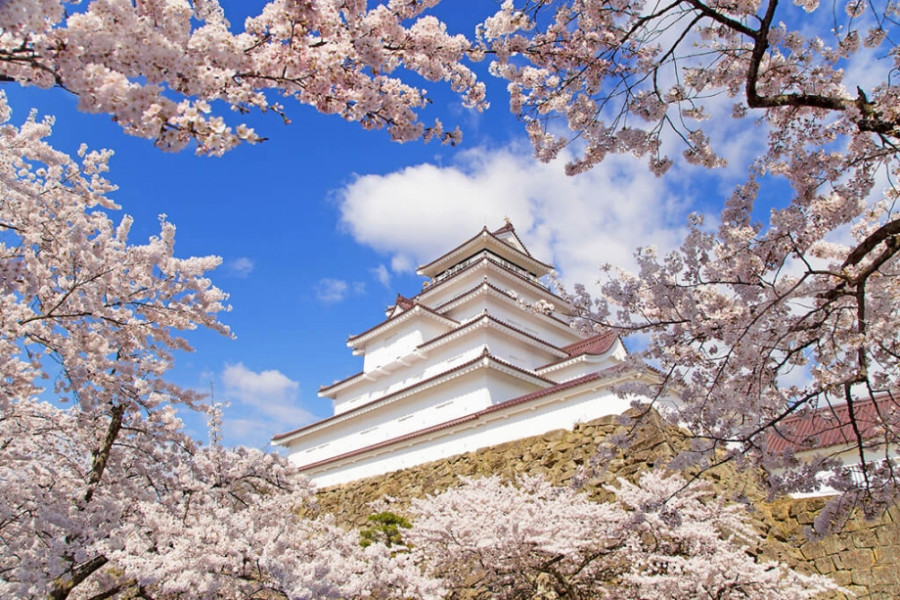
Lake Inawashiro Tsurugajo Castle

Scroll

Welcome to the Lucky Island

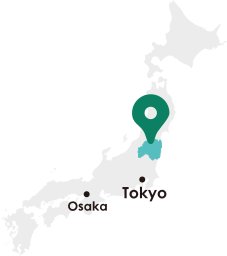
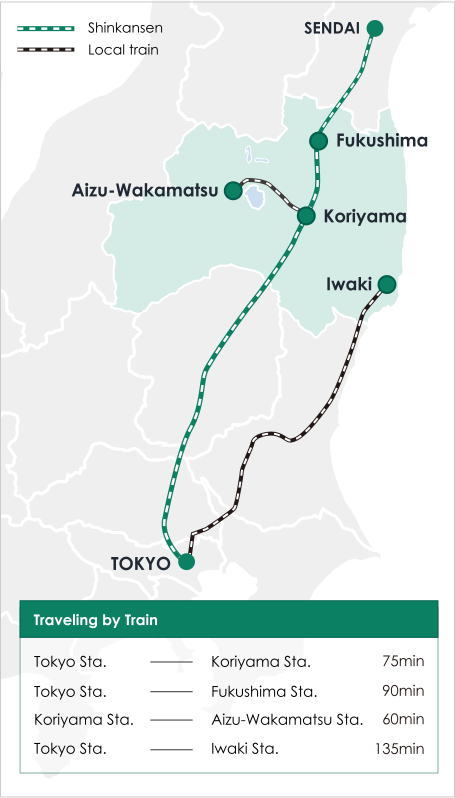
Located only 90 minutes north of Tokyo, Fukushima Prefecture is the third-largest prefecture in Japan, split into three unique regions that each offer a different way to experience Japanese culture.

Access to Fukushima Prefecture in Japan.
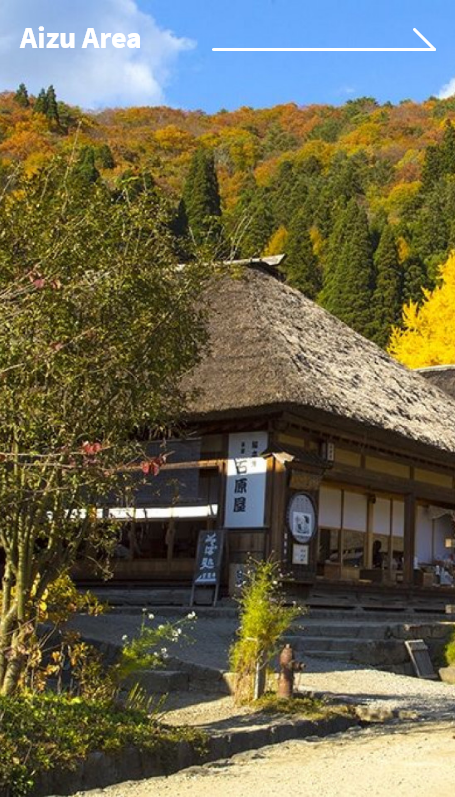
Aizu Area
Central Area
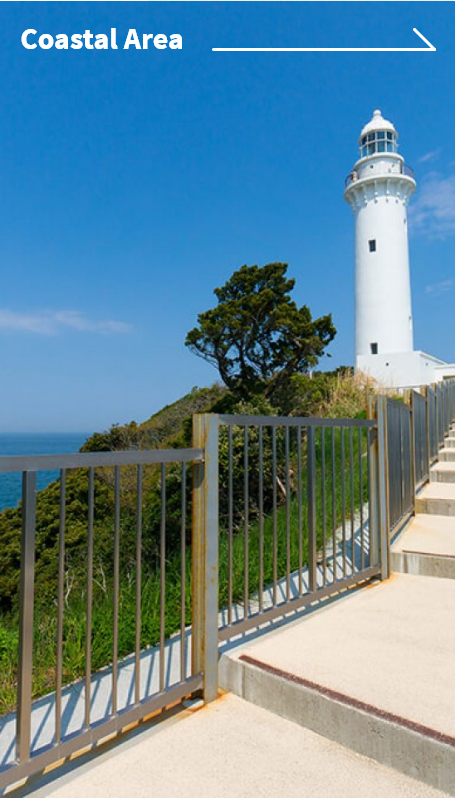
Coastal Area

Start Planning

Instagram

  • Connect with us

Activities in Fukushima

Unique in Fukushima

Tsurugajo Castle
History & Culture

Tsurugajo Castle

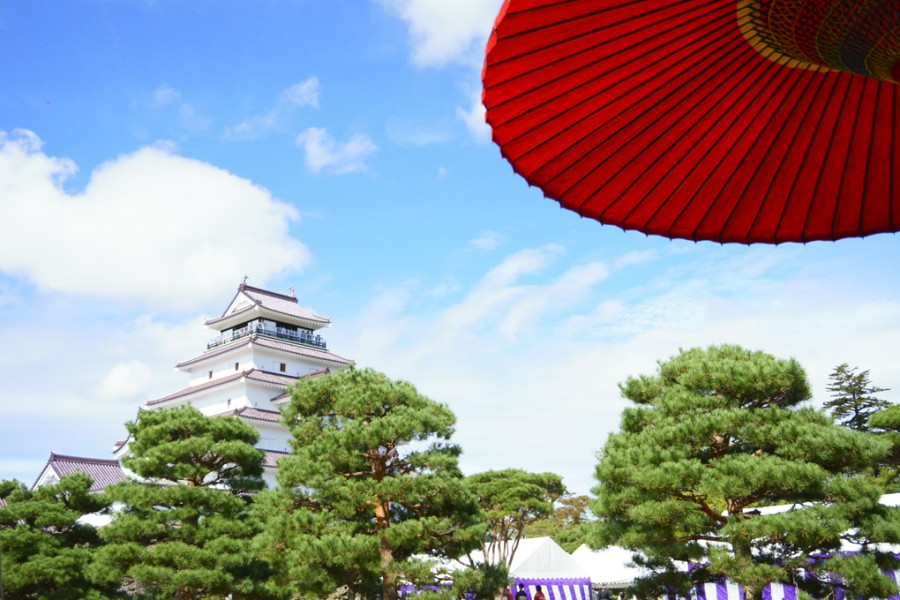
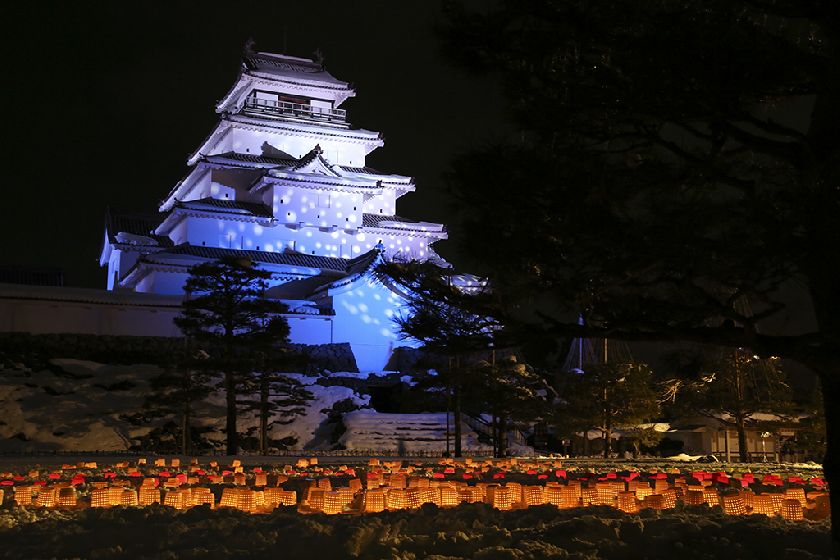
Tsurugajo Castle is the crown jewel of the Aizu region, bringing visitors from all over the world to see its incredible scenery, which changes drastically every season.Despite several reconstructions to the main castle over the years, the surrounding park's stone walls remain in their original state. In 2010, for the first time since it was refurbished in 1965, the castle underwent a cosmetic restoration. Following completion in 2011, the same red-tile roofs seen by the Byakkotai (during the Boshin War and finals days of the Tokugawa shogunate) are now displayed for all to see.This castle is one of the final strongholds of samurai that remained loyal to the shogunate and today stands as a symbol of courage and faithfulness.Within the castle tower's museum, the swords and armor of the castle’s successive lords are on display. Visitors can watch a CG-enhanced theatrical video reflecting on the great history of Aizu.In addition to the historical atmosphere surrounding Tsurugajo, visitors can sense the changes that have occurred throughout history, thanks to the engaging and informative museum within the castle walls. It’s fun to gaze across Aizu from the fifth floor, like a feudal lord admiring his domain—the viewing platform up here provides panoramic views taking in Mt. Bandai and Mt. Iimoriyama.The castle is also a must-see in the springtime when approximately 1,000 cherry trees offer a magnificent display within the castle's grounds.When you’re in the mood for a rest, visit the Rinkaku Tea Rooms for some freshly-prepared matcha green tea. This tea house on the grounds of Tsurugajo was vital in the spread of this traditional art—and had it been destroyed during the Meiji Restoration, tea ceremony as it is known in Japan might have vanished.
Ashinomaki Snow Park
Snow Activities

Ashinomaki Snow Park

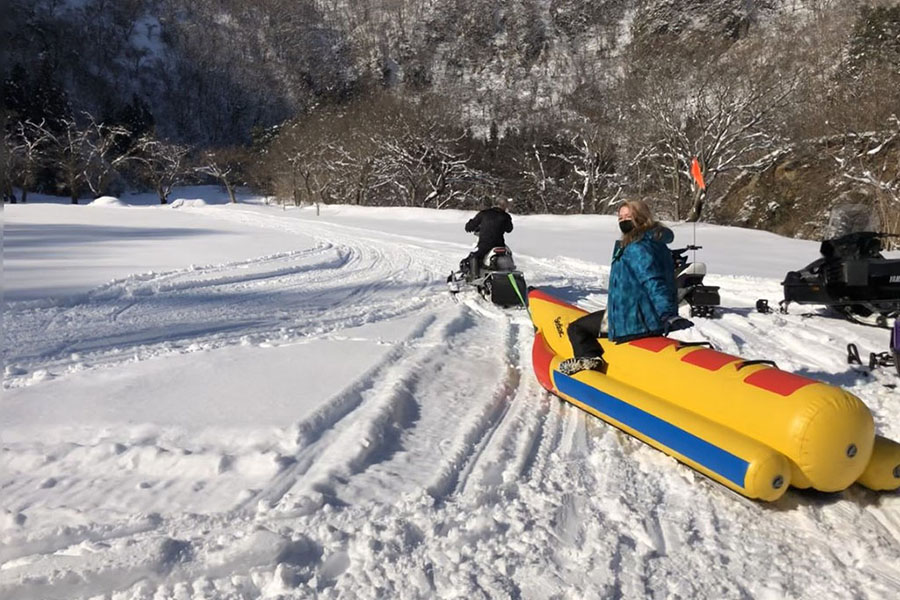
Ashinomaki Snow Park is a great place to experience Fukushima's fluffy snow with the whole family. The snow park is set in a picturesque field that is bordered by a lovely forest and river.Activities such as snowmobile driving, banana boat riding, tubing, snowball fights are all possible here! You can even hang out in Japanese igloos -- or “kamakura” -- and roast mochi over a fire. Riding on the banana boat and being pulled in snow boats are especially popular activities at the snow park. It's also a popular destination for snowy photoshoots!If you want to visit on a weekday, reservations must be made by 5:00 p.m. the day before. For weekend visitors, no reservation is required.Dates of operation are dependent on snowfall;  in general, dates are roughly mid-to-late January until late February. Please be aware that prices are subject to change.

Hoshino Resorts Nekoma Mountain
Snow Activities

Hoshino Resorts Nekoma Mountain

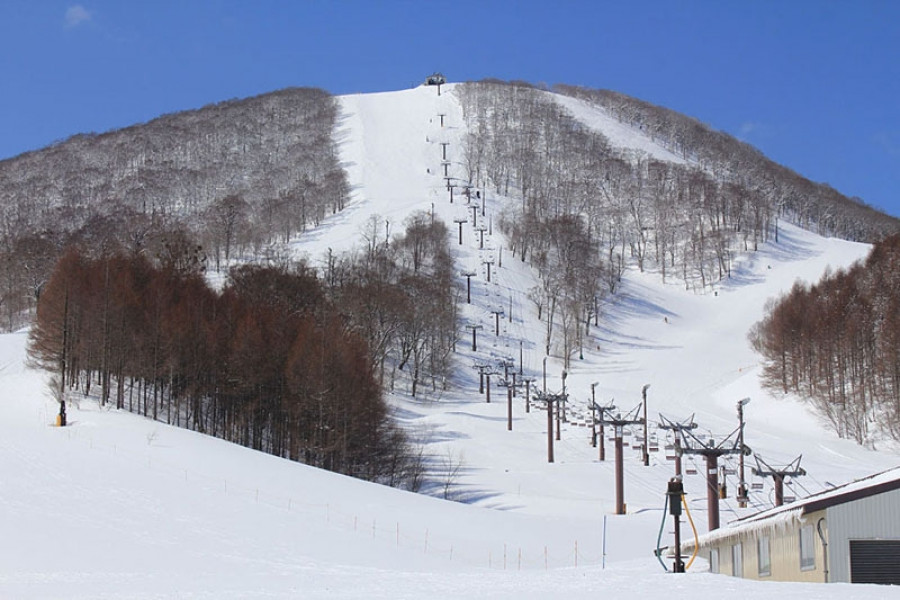
With its high-quality powder snow, Hoshino Resorts Nekoma is perfect for all levels of experience, especially for full-fledged skiers. The Freestyle Park is popular among snowboarders on account of its rich variety of terrain features.The resort was formed in 2023 by combining two previous resorts, one on each side of Mt. Nekomadake, with the building of a connecting ski lift. This allows visitors to use both resorts -- a huge area with over 30 courses -- on a single ski pass.Ski passes can be bought from reception (south area shown here), and cashless payments are accepted.The plaza on the south side also features a ski rental shop, a large restaurant (11:00am - 2:00pm weekdays, 10:30am - 2:30pm weekends), ski goods store, and several smaller restaurants and cafes. There is some luggage storage on the 2nd floor and a rest area overlooking the ski lifts.See here for Aizu Ski Japan's page about Hoshino Resorts Nekoma.Typical day pass cost: Adult: 5200 yen Junior and senior high school students: 3800 yen Elementary school students: 2500 yen*Discounts are available for early booking, both for day passes and season passes. Visit the official website for updated prices.

Miharu Takizakura
Nature & Scenery

Miharu Takizakura

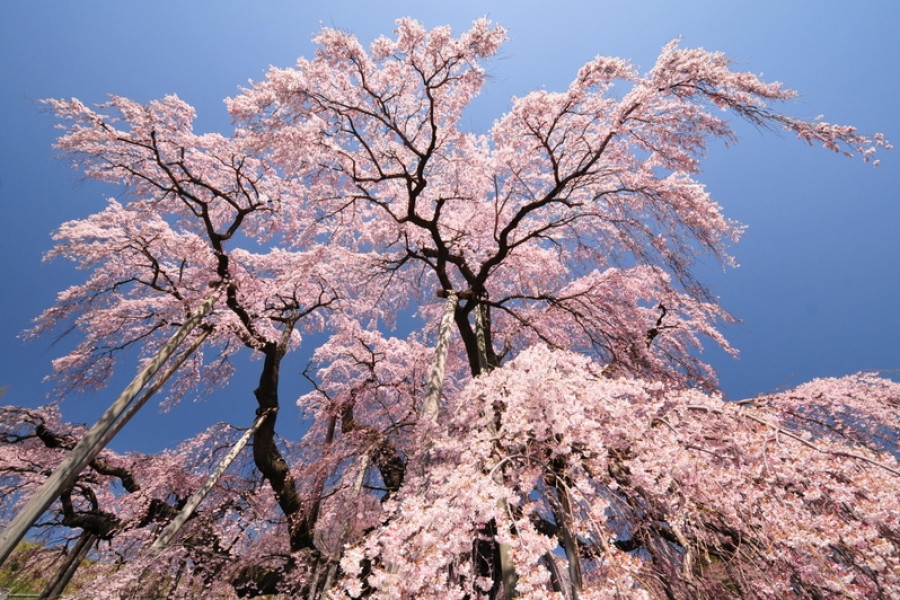
Miharu is a small town in central Fukushima Prefecture. The town’s name means “three springs” and it is easy to see how it got such a name. With cherry, plum, and peach trees blossoming in spectacular displays every spring, it is almost as if spring has tripled! But the most famous of the trees in Miharu is the Miharu Takizakura tree, which is a nationally recognized Natural Monument.Over ten centuries old, the beautiful Miharu Takizakura is a flowering cherry tree that spreads out in all directions and makes for a breathtaking vista. The cascading blankets of blossoms are how this tree got the name takizakura, or “waterfall cherry tree.” It is even one of the “three great cherry trees” of Japan (along with Usuzumizakura in Gifu and the Jindaizakura in Yamanashi Prefecture).Miharu Takizakura sits in a sakura hollow in order to protect it from the elements while providing excellent drainage. The heavy boughs of the tree are supported by wooden beams and lend to its elegant form. The Miharu Takizakura begins blooming from mid-April. During the day the sight is whimsical, but visit in the evening and you’ll be treated to an almost haunting beauty as the tree is illuminated.Aside from this huge cherry tree (over 12 meters tall and 18 to 22 meters in spread), the area is also blessed with various wildflowers, including cherry and rapeseed flowers. But, of course, the Miharu Takizakura is what the annual 200,000 visitors are there to see. The view from the base of the sakura is considered to be the most beautiful and the Miharu Takizakura often ranks as the best sakura tree in all of Japan.

Trips in Fukushima

Ultimate Fukushima Prefecture Road Trip
Driving

Ultimate Fukushima Prefecture Road Trip

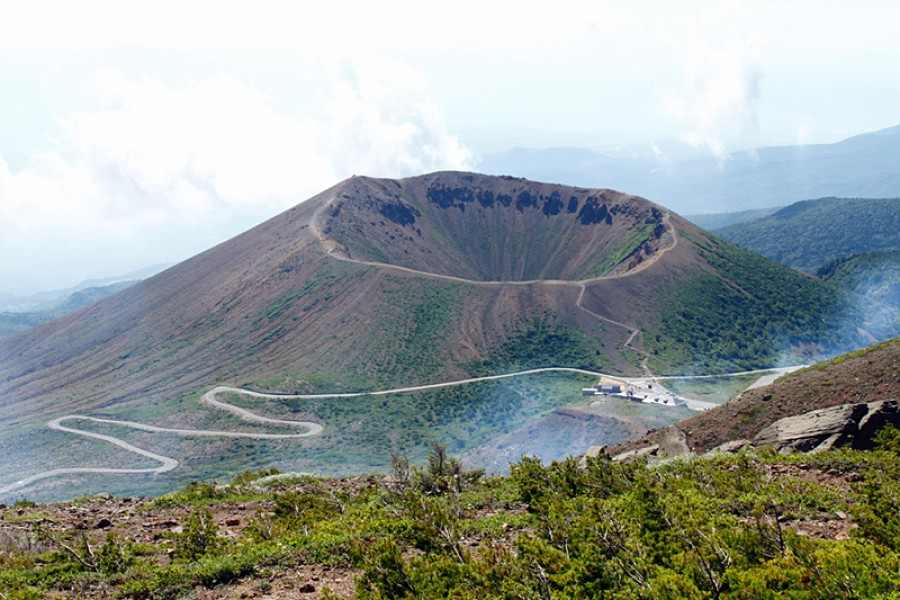
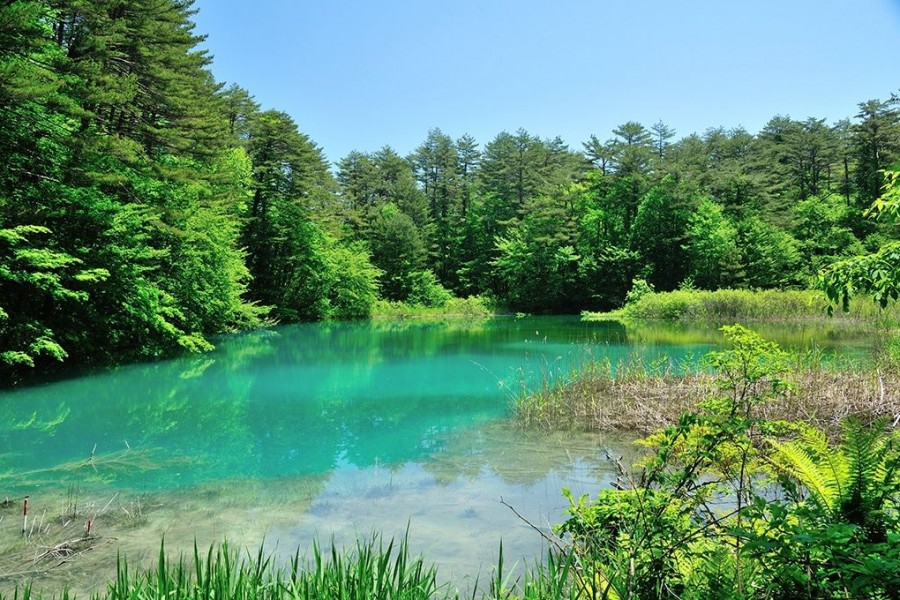
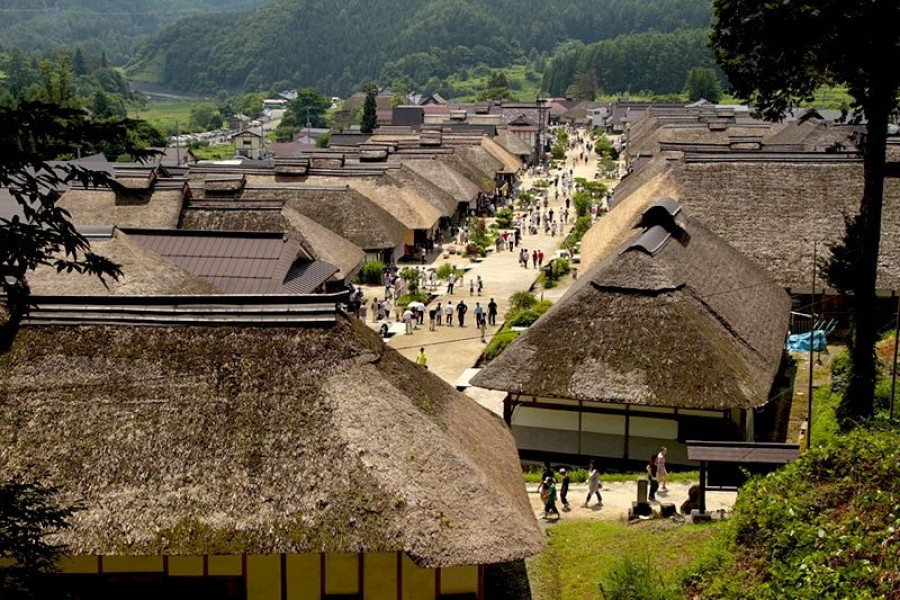
This trip highlights some of the best Fukushima has to offer and is perfect for those looking to get the most out of the prefecture in a limited time. Take in castles, nature, traditional villages, and more as you treat yourself to local styles of soba and ramen along the way. Renting a car is a must if you want to hit all the spots on this tour. You can take it slow and complete this trip over three days, or skip out an overnight stay in Urabandai area, and do it in two days. Start the day from Fukushima Station with a scenic drive to the the beautiful Urabandai region. We recommend taking the Bandai-Azuma Skyline road so that you can enjoy a mountain drive and check out the great sights at Mt. Azuma-Kofuji. From there, take the stunning sightseeing road Azuma-Bandai Lake Line into Urabandai. Explore the Urabandai area, have lunch, go on a walk around the five-colored ponds of Goshiki-numa, and maybe even take a dip in a hot spring or two. Choose whether take it slow and stay the night in Urabandai area, or whether to press on to Aizu-Wakamatsu City.  Later that day - or the next morning, depending on your schedule - head into the castle town of Aizu-Wakamatsu City where samurai culture is prevalent. The majestic Tsurugajo Castle offers beautiful views of the surroundings from the keep. Check out the nearby Tsurugajo Kaikan to paint an akabeko or two and maybe have some lunch. Then explore the mysterious Sazaedo Temple and the surrounding Mt. Iimoriyama area. From here, we suggest staying overnight in the city. There are plenty of budget hotels in Aizu-Wakamatsu, but if you are looking for something traditionally Japanese, we recommend looking into lodging at the nearby Higashiyama Onsen hot springs town just east of the city. On the next day prepare to jump into the past with a trip to the Ouchi-juku mountain village. You can spend hours here shopping and eating local foods while walking up and down the street lined with traditional thatched-roof houses. Lastly, head to the To-no-Hetsuri Crags, a natural monument filled with towering cliffs overlooking the Okawa River. Cross the nearby suspension bridge which offers breathtaking views of the surroundings. After getting fully refreshed head back to Shin-Shirakawa station by car, drop off your rental car, and connect back to Tokyo or the next stop on your journey!

Fukushima’s Revitalization Educational One-Day Trip
Culture

Fukushima’s Revitalization Educational One-Day Trip

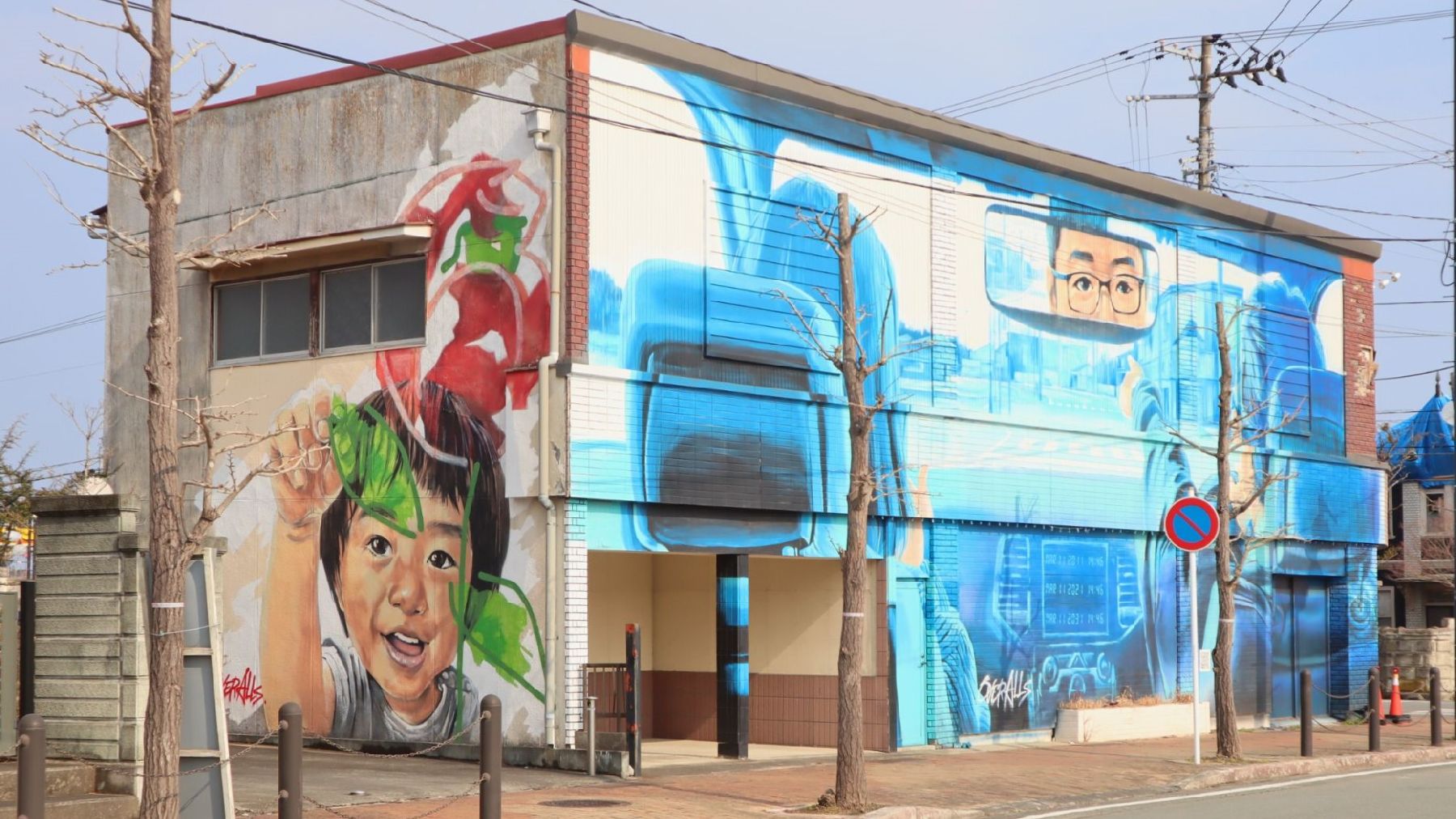
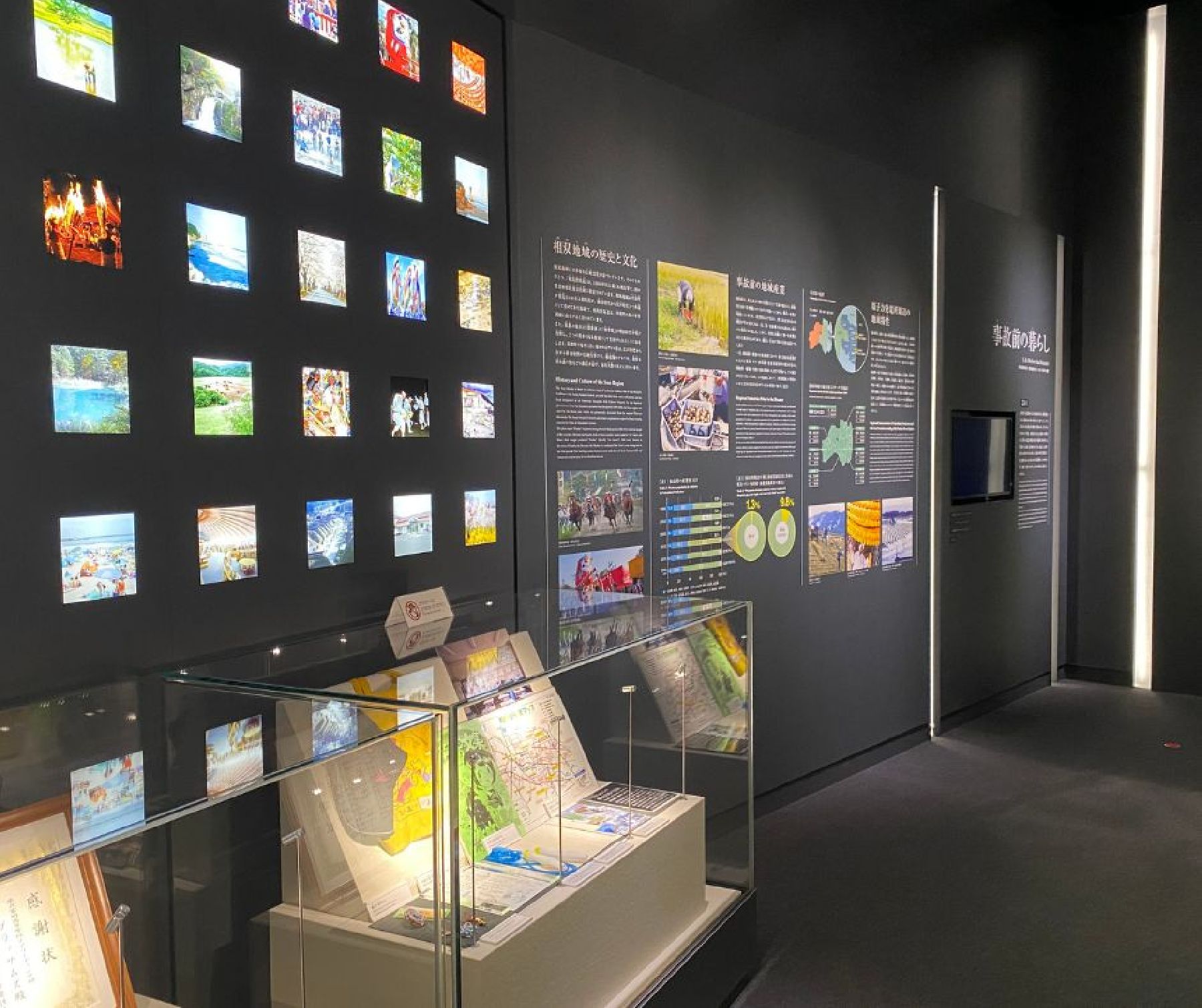
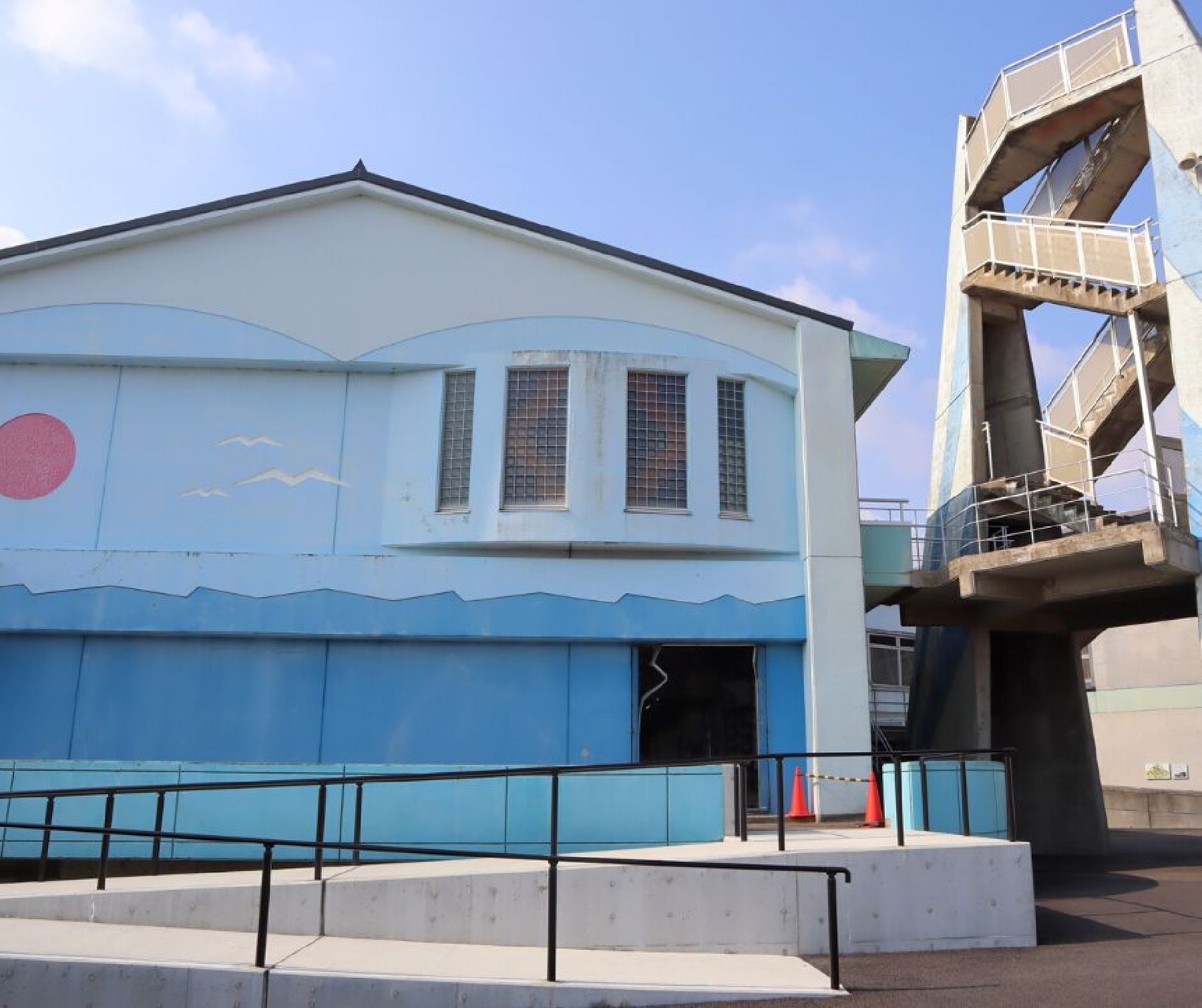
This is a model itinerary for visitors who would like to learn about Fukushima’s revitalization. The coastal area of Fukushima is the only place in the world to have survived a triple disaster: an earthquake, a tsunami and a nuclear disaster. Following extensive decontamination efforts and a great deal of demolition and reconstruction, several areas that were once designated as ‘difficult to return’ have started welcoming both residents and visitors again, with many residents eager to share their stories with the world. This itinerary centers on the towns of Futaba and Namie, both of which were severely affected by the earthquake, tsunami and nuclear accident in 2011.  The first stop is Futaba station and the surrounding Futaba Art District, a mural art initiative that pays homage to the residents and folk art of the town. From there, you’ll visit the Great East Japan Earthquake and Nuclear Disaster Memorial Museum, which has a detailed account of the area before, during, and after the disaster. At the museum, you’ll learn about the stories and testimonies of locals, as well as the plans and ideas for the future of Fukushima. The last stop is the remains of the Ukedo Elementary School in Namie town. Although the school building, located only 300 meters from the sea, sustained great damage from the tsunami, students, teachers and staff were able to evacuate from the school safely, for which it is known as a ‘miracle’ school.  This is a one-day itinerary, but we recommend staying somewhere in the coastal area of Fukushima after your visit.  

Aizu Winter Bus: Tsurugajo Castle & Ouchi-juku
Nature

Aizu Winter Bus: Tsurugajo Castle & Ouchi-juku

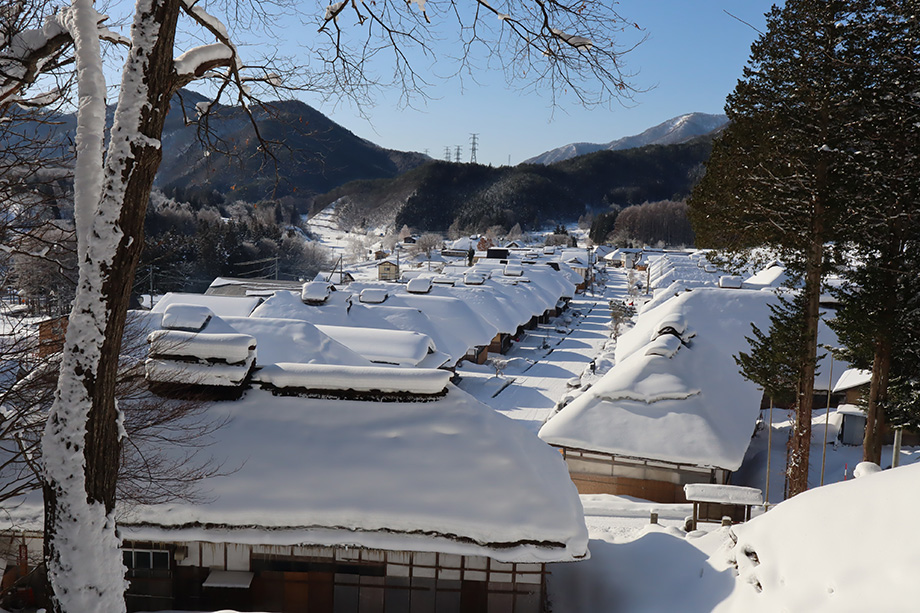
Experience the beauty and history of Aizu this winter with a special one-day sightseeing bus tour. The Aizu region, known for its stunning seasonal landscapes and rich history, offers a unique opportunity to explore its top landmarks in comfort. The Aizu Winter Sightseeing Bus takes you to two of the region's most iconic spots: Tsurugajo Castle, the historic fortress that was once the pride of the Aizu samurai clan, and Ouchi-juku, a traditional village that once played host to samurai travelling between the castle and the southern capital. Along the way, enjoy a traditional lunch of negi-soba (green onion soba) in Ouchi-juku, and benefit from a knowledgeable Japanese-speaking guide. Bookings are made via the Fukushima Travel website. Tour Details: Dates: 14 January 2026 – 22 March 2026 Price: ¥7,230 for adults (¥6,500 + ¥730 processing fee), ¥5,450 for children (¥4,900 + ¥550 processing fee) Includes: Bus ticket, Tsurugajo Castle entrance fee, lunch (negi-soba) at Ouchi-juku, Japanese-speaking guide Departure/Arrival: Aizu-Wakamatsu Station (guests at Ashinomaki Onsen can disembark there) The tour may be canceled in case of bad weather. The winter bus departs from Bay 2 of the bus plaza at Aizu-Wakamatsu Station.

Ultimate Tadami Line Winter Tour
Nature

Ultimate Tadami Line Winter Tour

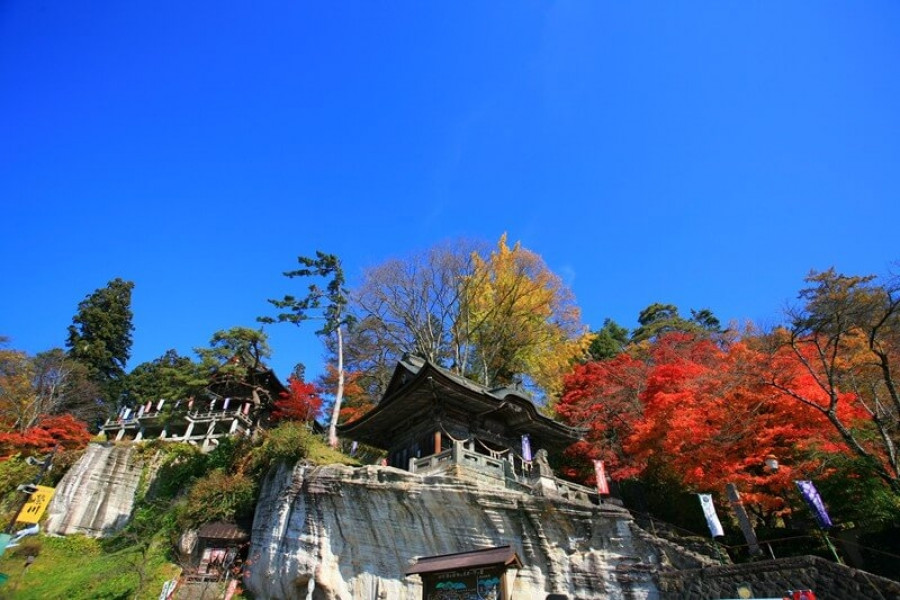
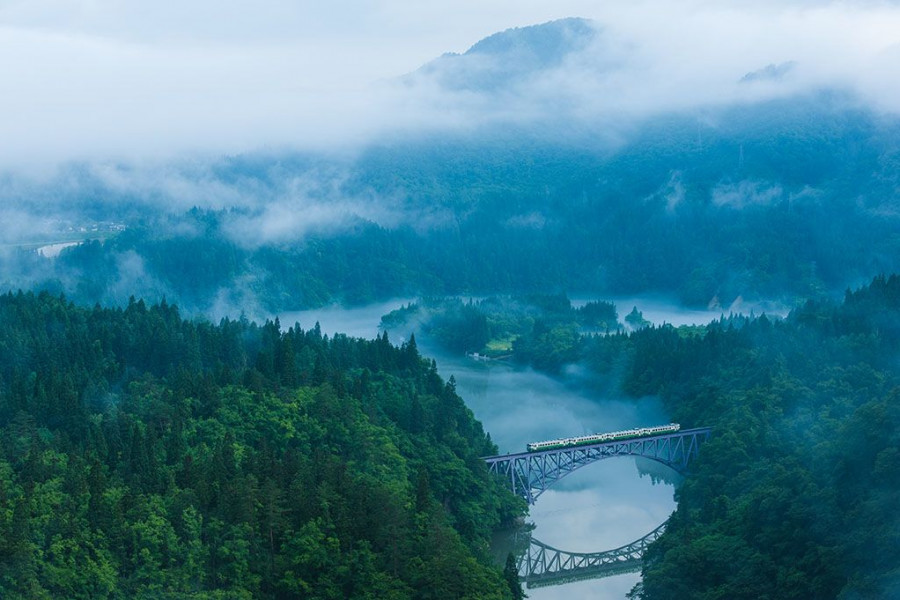
This tour itinerary, combining bus and train travel on one ticket, allows visitors to explore the best spots along the famous Tadami Line, showcasing breathtaking winter views and rich local heritage. On this tour, you’ll visit the historic Enzoji Temple, home to the famous ‘akabeko’ legend, and visit a museum showcasing local folk art. You’ll also capture stunning photos from the viewpoint above the Tadami River Bridge and learn about the fascinating history of the river area, before taking a ride on the iconic Tadami Line train itself. A traditional meal made from local ingredients is included in the price. Tickets can be purchased on the Fukushima Travel website. Tour Details: Dates: Saturdays, Sundays and public holidays between January 24, 2026 - March 22, 2026 Price: ¥7,230 for adults (¥6,500 + processing fee), ¥6,120 for children (¥5,500 + processing fee) Includes: Bus ticket, Tadami Line train ticket from Aizu-Kawaguchi to Aizu-Yanaizu, lunch fee, Japanese guide Departure/Arrival: Aizu-Wakamatsu Station (guests at Higashiyama Onsen can disembark there)

Seasons on Fukushima

Latest Posts

Diamond Route Japan

FUKUSHIMA

Top